
Therapeutic Focus
Modic Type 1 changes, visible on magnetic resonance imaging (MRI) scans, are a sign of spinal disease, involving the degeneration of vertebral endplate bone and marrow adjacent to the intervertebral disc. They are associated with moderate to severe and persistent chronic Low Back Pain (cLBP) which does not respond to standard of care.
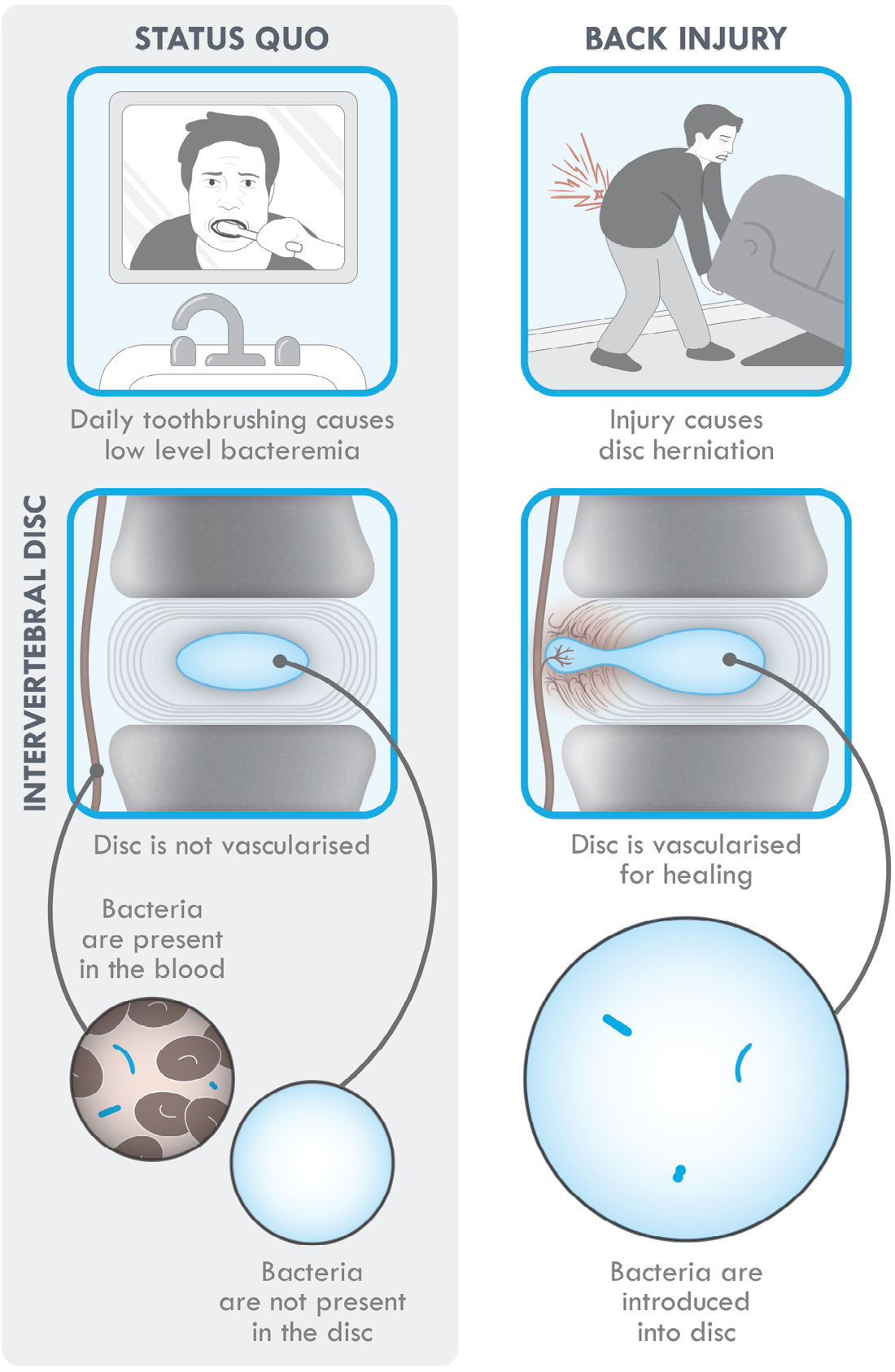
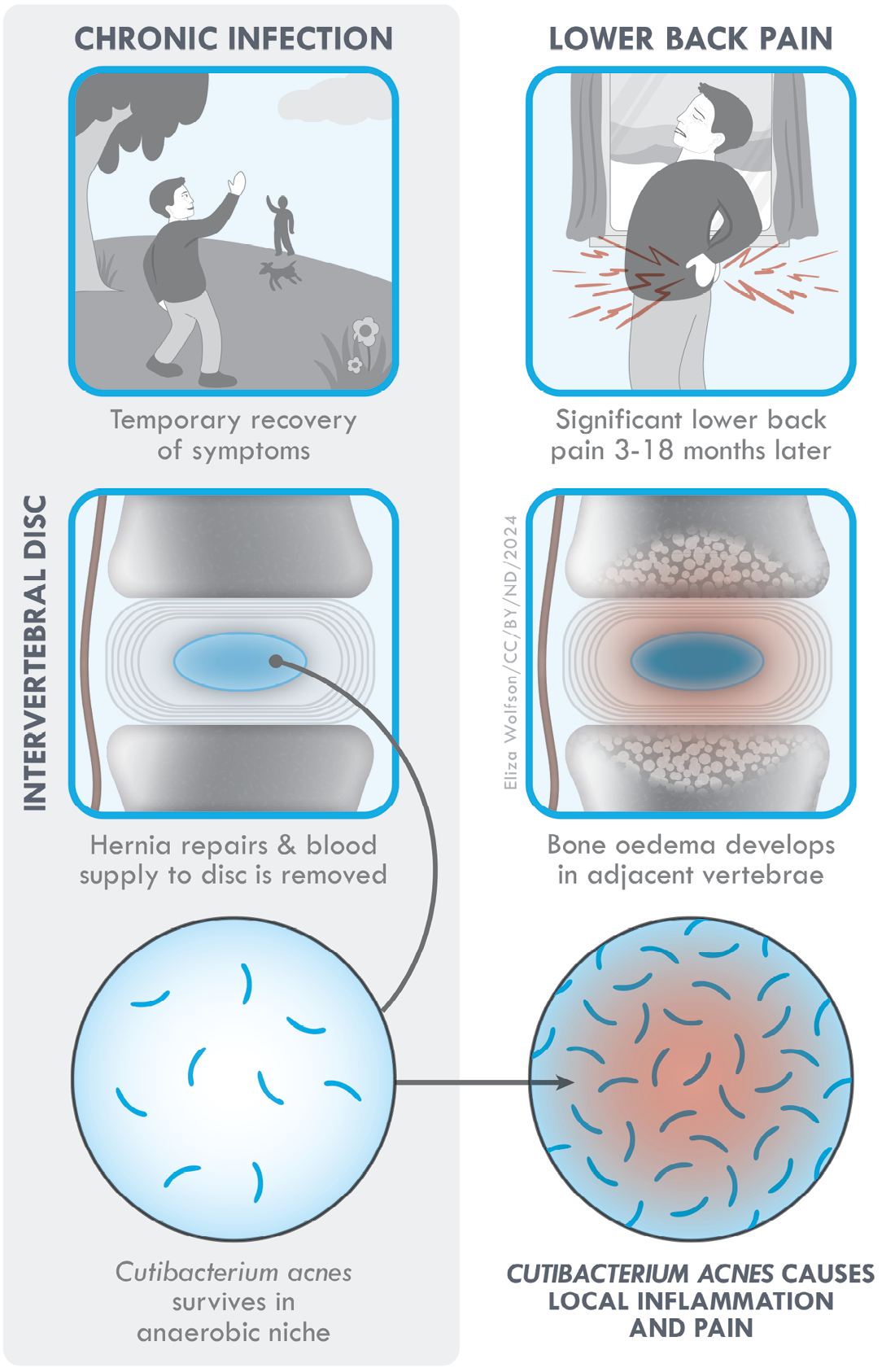
Microbiology studies suggest that approximately 50% of spinal discs with adjacent Modic changes are infected with bacteria, with Cutibacterium acnes (C. acnes) responsible for 80% of these infections. Infection can occur during the healing process after disc herniation or injury as the area becomes vascularized to support repair. During this phase, bacteria may infiltrate the disc, leading to a chronic low-grade infection that causes inflammation, bone degradation ultimately resulting in vertebral oedema observed as Modic changes (figure 1).
Pioneering research by Persica’s founders linked bacterial infection in intervertebral discs to Modic changes. Two randomised controlled trials have demonstrated that high-dose, prolonged oral antibiotics significantly reduce pain and disability in patients with chronic Low Back Pain and vertebral bone oedema (Modic Type 1 changes). However, effective antibiotic delivery to the infected disc is challenging due to its limited blood supply. As a result, treatment response is slow, requiring long-term antibiotic use, which can lead to side effects, compliance challenges, and concerns about antibiotic stewardship.
Persica is addressing these challenges through the development of PP353, a targeted intradiscal antibiotic injection that is delivered directly to the site of infection. It is designed to achieve superior antibiotic disc exposure, with just two injections. It is a non-opioid treatment which addresses an underlying cause of cLBP, rather than just managing the symptoms.
Preclinical and First-in-Human data for PP353 was published in peer-reviewed JOR Spine in November 2024.
The Phase 1b Modic Trial completed in Q1 2025.
Topline results from the Phase 1b trial:
- The PP353 clinical trial met the primary endpoint and demonstrated statistically significant and clinically meaningful results in patients with chronic Low Back Pain with Modic Type 1 changes, with a 3.4-point (50%) within-group reduction in pain from baseline and a 1.4-point (30%) between-group reduction from placebo at 12 months in the Full Analysis Set of subjects.
- The PP353 group reported clinically meaningful reductions in pain from baseline from 3 months onwards and were continuing to improve at 12 months. The placebo group did not achieve clinically meaningful change from baseline.
- The PP353 group also reported statistically significant and clinically meaningful reductions in disability with a within-group reduction of 9.4-points (63%) and a between-group reduction of 3.9-points (39%) from placebo in the Full Analysis Set of subjects at 12 months.
- The PP353 group reported clinically meaningful reductions in disability from baseline from 1 month onwards and were continuing to improve at 12 months. The placebo group did not achieve clinically meaningful change from baseline until 6 months.
- Greater outcomes were observed in the Per Protocol Set of subjects.
- PP353 was well-tolerated, and no limiting gastro-intestinal side-effects were observed.
- The Modic Trial enrolled 44 patients in 4 countries and followed patients for 12 months. Patients had had cLBP for more than 6 months (mean duration of 5.5 years) and had not been helped by existing non-surgical treatments.
How intradiscal infection causes cLBP
INTERVERTEBRA DISC
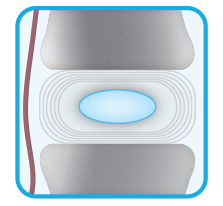
Disc is not vascularised OOOOOOOOOOOO
Intact disc can be damaged by herniation or other injury.
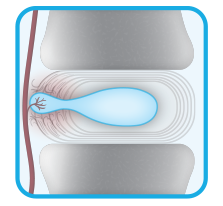
Disc is vascularised for healing OOOOOOOOOOOOOO
Vascularisation allows bacteria into the disc, leading to chronic low-grade infection.
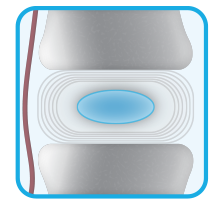
Hernia repairs & blood supply
to disc is removed
Infection leads to inflammation, bone degradation & oedema.
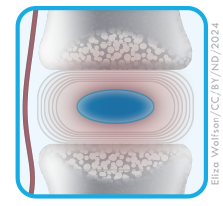
Bone oedema develops in
adjacent vertebrae
Vertebral oedema & inflammation causes cLBP & disability, observed by MRI as Modic changes.
Changing the mindset from a “bad back” to
back pain caused by a “spinal infection”